
News

  • How thick is the tinplate on food packaging cans?
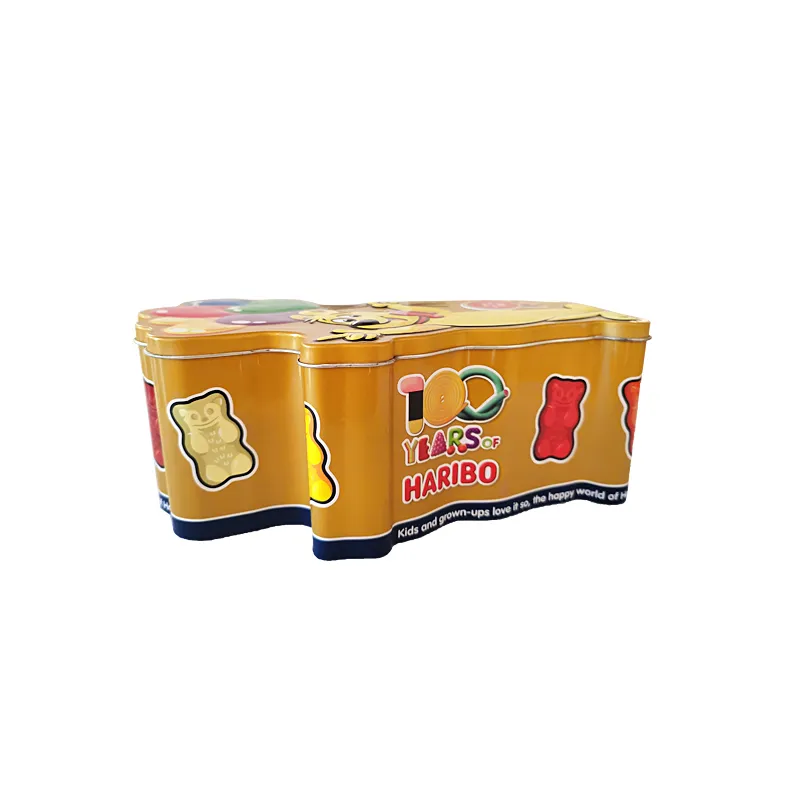
    For example, the packaging of acidic food cans such as jam and ketchup often requires thicker tinplate to resist the erosion of acidic components. Generally speaking, the thickness of tinplate for such food packaging cans is about 0.20 mm to 0.30 mm.
    2024-11-22
    More


  • What is the difference between electrolytic tinplate and non-electrolytic tinplate?
    The coating finish of electrolytic tinplate is high, and the surface of the tin layer after electrolysis treatment is smoother and brighter, which is conducive to subsequent printing, spraying and other fine processing. The tin layer of non-electrolytic tinplate is relatively thick and is usually not suitable for detailed processing.
    2024-11-21
    More
  • How to clean tinplate cans used for food packaging?
    The following are common steps for cleaning tinplate cans: 1. Prepare materials 2. Soak and decontaminate 3. Gently scrub 4. Rinse clean 5. Dry and store
    2024-11-20
    More
  • Can the tinplate of food packaging be restored after deformation?
    It is difficult to repair deep dents or can deformation caused by large impact or severe extrusion. In this case, the internal metal structure of the tinplate can has changed, and some materials may have cracks or interlayer separation, and external force alone cannot completely restore it to its original state.
    2024-11-19
    More
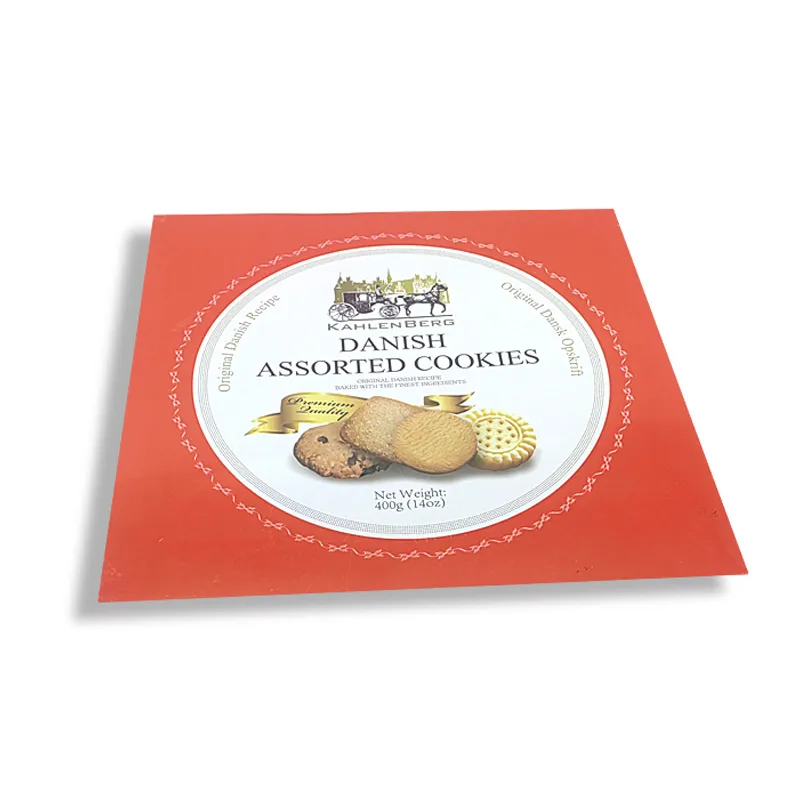
  • Can tinplate cans keep biscuits fresh?
    Biscuits tend to soften due to moisture, and the material and structural design of tinplate cans can reduce moisture penetration to a certain extent. The tin coating not only prevents corrosion, but also blocks some moisture, slowing down the effect of moisture on the biscuits in the can.
    2024-11-18
    More

Get the latest price? We will reply as soon as possible (within 12 hours)